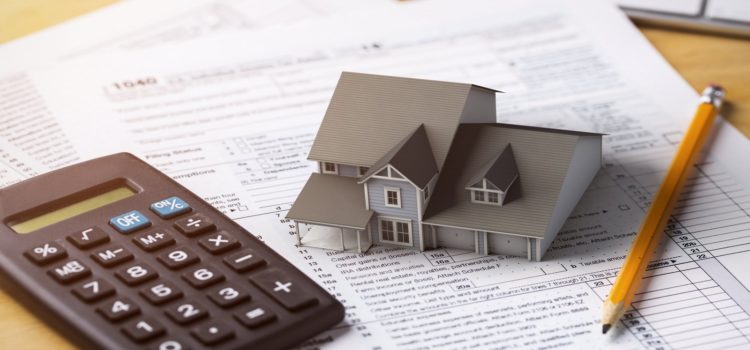
The amount of documents needed to buy a house is staggering, and the paperwork starts when you start dreaming! It is an inch or two of documents, and you better have your filing system organised before you even start, for easy access to exactly the document you need at each stage. Especially with so many deal-killing mistakes that an inexperienced first time home buyer can make.
The good news is that the home buyer need not manage all this by himself. If you have a top agent working with you, you have an advocate who will do a lot of your heavy lifting.
Watch this space for our article on the value of working with an agent
While you need not worry about the Russian novel sized documents, here is a list of what is important, to help you along.
The Documents Needed To Buy A House
While you are visiting possible homes to buy, looking, making your choice, it is also a good idea to start visiting the banks to understand the home loans and the payment structures. Remember, your loan eligibility is dependent on your own income, credit ratings as well as the kind of house you are looking at. So a good start is to estimate the amount of loan you are eligible for, as well as how much EMI would come to.
At the time of payments towards your home, the first payments include booking fees, down payment, legal fees, stamping fees etc and is the largest outlay. So do the leg work to be ready on time.
How to qualify for a home loan
Build a good credit profile
This will include your past payment records of credit cards and loans, evidence of savings, promptness of tax payments. A good credit profile will help you get a loan more easily, and remember, today all loans and records are linked and can be easily collated.
Do your calculations
Review your own financial position and work out how much you can afford. Remember, there will always be other costs like furnishing and maintenance, so add 10% to the published prices of the properties you have earmarked. This table is sure to help
| TRANSACTION COSTS | ||
| Who Pays? | ||
| Stamp Duty | 4% – 8% | Buyer |
| Registration Fees | 1% | Buyer |
| Legal Fees | 1.50% | buyer seller |
| Real Estate Agent´s Commission | 1% – 2% (+12.50% VAT) 1% – 2% (+12.50% VAT) | buyer seller |
| Costs paid by buyer | 7.625% – 12.75% | |
| Costs paid by seller | 1.125% – 2.25% | |
| ROUNDTRIP TRANSACTION COSTS | 8.75% – 15% | |
| The round trip transaction costs include all costs of buying and then re-selling a property – lawyers´ fees, notaries´ fees, registration fees, taxes, agents´ fees, etc. Source: Global Property Guide | ||
Note: Do check with the banks and lenders for the current figures, these are approximate and to be used as a guide only.
Find that dream home
After you have a list of what your ideal home should have, as well as your budget, start researching. Today, most properties are listed online, so you have a ready reckoner of the properties. Also, look for
- Builder reputation, commitment to time, quality and delivery. As well as other things like environment friendly homes and rain water harvesting, as another way to gauge reputation
- Location of the houses- connectivity as well as convenience from your place of work, children’s schools etc
- Property type, including whether you want a small community or the security of large (with link)
On site visits
Only after all this groundwork, will you be ready to visit the units. Do your research, select the homes you want to check out instead of visiting every one that your property agent recommends. Here, you need to check on the type of community and the amenities, if they match what you are looking for. If you have small children, look out for the kind of play areas and safety from vehicle traffic. If your family is older, check amenities like the gym, club house, number of parking bays etc. As an investor, you also need to analyse rentals.
Home buying process checklist
And, then, you can actually start collecting all the documents needed to buy a house. With the housing loan applications to the initial payments and booking fees, the receipts and legal fees etc. So keep this home buying process checklist handy for future reference.
Your home buying process checklist
Here is a list of all that you will need, so use this list to collect the paperwork
- Complete home loan application form
- Passport photos
- Proof of identity (any)
- PAN Card
- Passport
- Aadhaar Card
- Voter’s ID Card
- Driving License
- Proof of age (any)
- PAN Card
- Passport
- Aadhaar Card
- Driving Licence
- 10th Class marksheet
- Bank passbook
- Proof of residence (any)
- Passport
- Voter’s ID Card
- Bank passbook
- Ration Card
- Utility bill- telephone, electricity, water, gas
- LIC policy receipt
- Certified letter from a recognised public authority certifying address
- Income documents
- For Salaried individuals
- Form 16
- Certified letter from the employer
- Payslip of the last 2 months
- Increment or promotion letter
- IT returns of the last 3 years
- You can also submit other investment proof like FDs, shares etc
- For self employed
- Income Tax Returns (ITR) of last 3 years
- Balance Sheet and Profit & Loss Account Statement of the Company/Firm (duly attested by a C.A.)
- Business License Details (or any other equivalent document)
- The license of Professional Practice (For Doctors, Consultants, etc.)
- Registration Certificate of Establishment (For Shops, Factories & Other Establishments)
- Proof of Business Address
- Property documents to be submitted for home loan
- Deed of Sale or Sale Agreement or Share Certificate (original) in case of a cooperative society
- Receipts for taxes paid for Building and Land, certificate of possession, and certified sketch of the location of property from revenue authorities
- Allotment Letter from Society/Housing Board/Private builder
- Receipts of advance payments for flat purchase
- Certificate of Non encumbranceen compassing the last 12 years/30 years
- Receipt of land tax payment and certificate of possession issued by revenue authorities
- Permission letter from Appropriate Authority
- Approved building plan (showing floor plan for flat purchase)
- Original No Objection Certificate issued under the ULC Act, 1976
- Copy of relative order if agricultural land is being converted
- Applicable for purchase of land plot, a declaration by loan borrower stipulating the date by which to construct a house
- No objection certificate (NOC)from Builder/Housing Society
- Report stating the valuation of property in standard format by an empanelled valuer
- Registered Sale Deed, Allotment Letter or Stamped Agreement of Sale with the Builder (original document)
- Occupancy Certificate (in case of ready-to-move-in properties)
- Letter from Society/Builder/Housing Board mentioning their bank and account details, for instalment remittance
- Property Tax Receipts, Maintenance Bills and Electricity Bills
- Receipts of the advance payments made towards the purchase of flat (original document)
- An approved copy of the building plan (key plan/floor plan in case of purchase of flats)
- Report from lawyer as per standard format.
- Post closure of loan, documents required for handover of original Property documents
- Power Of Attorney for collecting original documents of Property.
- In event of demise of the loan borrower:
- Letter requesting handing over of Property documents from Legal Heir/Nominee(s).
- Letter relinquishing the right to Legal Heirs/Nominees for Property documents handover.
Besides the ones mentioned above, the banks have the right to ask for any document they deem necessary to the loan sanctioning and verification process.
Documents for Loan Guarantor
- Liabilities Statement and Personal Assets
- 2 photographs passport sized
- Identify proof
- Residence proof
- Proof of business address
- Signature identification from present bankers

Now that you have this list, keep it handy so you can easily keep track of what is needed at each stage. We wish you luck as you start the search for your dream home
Recommended reading:



Recent Comments