Glossary of terms every homebuyer needs to know

Homeownership and the terms you need to know

Buying a home can be so stressful. But in the midst of it all, there are terms and jargon used by people from the real estate industry, and that you are expected to understand. What is the difference between floor and carpet areas, do you pay extra for the open balconies you love? Does the size of the house change from the carpet area to the built-up area, what is used to calculate your interest?

Here are some explanations, to help you understand what the real estate industry and make an informed choice.

Calculating the area of a home you plan to buy

Carpet Area: According to the Real Estate Regulatory Authority (RERA), Carpet area is the net usable floor area of an apartment, excluding the area covered by external walls, the area under utility shafts, exclusive balcony, or verandah area, and exclusive open terrace area. The carpet area includes the area covered by the internal partition walls of the home.

Built-up area: The built-up area of a home is measured at the external perimeter wall surfaces. It is made up of the carpet area plus the wall thickness and other non-usable areas within the apartment such as the dry balcony, terrace, flower beds, etc. It is always greater than the carpet area. Built-up area is carpet area + area of walls

Super built-up area: The super built-up area is the saleable area, which includes the carpet area, the terrace, balconies, areas occupied by walls, and area occupied by shared structures (e.g. lift, stairs, etc). In some cases, builders include amenities such as a pool, clubhouse, and garden. Builders use the carpet area load factor to arrive at the super-built-up area. Super built-up area = Built-up area + common areas

Exclusive: The term “exclusive balcony or verandah area/exclusive terrace area” means the area of the balcony/ verandah/terrace that is a part of the net usable floor area of an apartment, meant for the exclusive use of the unit only

Glossary of common housing terms

  • Actual Cash Value: An amount equal to the replacement cost of damaged property less depreciation
  • Adjustable-rate mortgage: There are two types of conventional loans: Fixed-rate and Adjustable-rate mortgage. With an adjustable-rate mortgage, the interest rate on the loan can change at five, seven, or ten-year intervals. For homeowners who plan to stay in their home for more than a few years, this is a risky loan as interest rates can suddenly spike depending on market conditions
  • Adjustment Period: There is usually an initial adjustment period, that begins with the start date of the loan and ranges from 1 to 10 years. After the initial adjustment period, adjustment periods are usually 12 months, which means that the interest rate can change every year
  • Amortization: Repayment of a loan over a specified period of time and at the interest rate specified in a loan document. Amortization of a loan includes payment of interest and a portion of the amount borrowed in each mortgage payment
  • Annual Percentage Rate (APR): Annual cost of a loan, a standardized method of determining the total cost of a loan. The APR includes the interest rate, points, broker fees, and certain other credit charges a borrower must pay. The fees are expressed as percentages and added to the actual interest rate to determine the total APR
  • Appreciation: An increase in the market value of a home due to changing market conditions and/or home improvements
  • Arbitration: A process by which disputes are resolved before a fair and neutral third party (the arbitrator). The disputing parties agree in advance to agree with the arbitrator’s decisions
  • Back-End Debt-to-Income Ratio: A comparison of your monthly debt payments to your monthly income, and is a widely used measure of your credit worthiness. You calculate your debt-to-income ratio by dividing your minimum monthly debt payments, not including your rent or mortgage, by your net monthly income
  • Balloon Mortgage: A mortgage with monthly payments based on a 30-year amortization schedule, with the unpaid balance due in a lump sum payment at the end of a specified period (usually 5 or 7 years). The mortgage includes an option to “reset” the interest rate to the current market rate and extend the maturity date if certain conditions are met
  • Cap (Interest): An interest rate cap is a consumer protection measure on an ARM which limits the amount of change of the annual interest rate and over the life of the loan
  • Cap (Payment): A payment cap is a consumer protection measure on an ARM that limits the amount by which monthly payments can change
  • Closing (Closing Date): The completion of the real estate transaction between the buyer and seller. The buyer signs the mortgage papers and closing costs are paid. Also known as settlement date

 

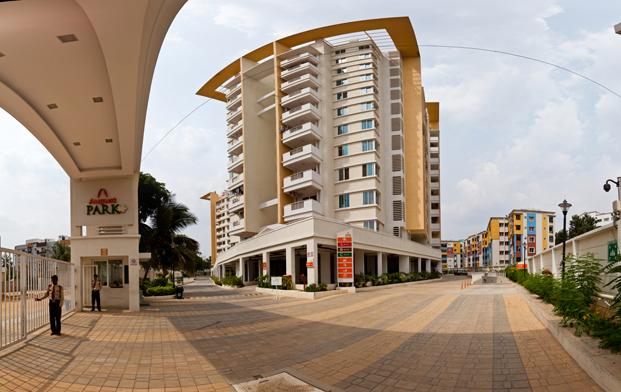
August Park
August Park


  • Closing Disclosure: A form that contains the final details of the selected mortgage loan. It includes the terms of the loan, the expected monthly payments, and lists all fees and other costs of obtaining the mortgage (closing costs). The lender is required to send the Closing Disclosure to the borrower at least three business days before closing the mortgage loan
  • Collateral: Property that is used as security for a debt. In the case of a mortgage, the collateral would be the house and property
  • Commitment Letter: A letter from your lender stating the amount of the mortgage, the number of years to repay the mortgage (term), the interest rate, the loan origination fee, the APR, and the monthly charges
  • Condominium: A form of home ownership in which the home buyer receives exclusive ownership of the interior of a multi-unit building (usually an apartment building or a townhouse), and shares ownership of to the common areas of the condominium (example parking spaces or a swimming pool)
  • Co-operative Housing: In real estate, co-operative housing is a form of multiple ownership in which a corporation or trust owns the property (usually an apartment complex) and grants occupancy rights to unit-owner’s tenants through their own leases
  • Credit Report: A credit report is a record of your personal credit history. It is compiled by credit bureaus/credit reporting agencies based on information provided by lenders and contained in public records. It contains very extensive information about your credit history and is probably the most important document lenders refer to when deciding whether to grant you credit

To read more how to calculate, click here

  • Debt-to-Income Ratio: The percentage of gross monthly income used for your monthly housing expenses, child support, car payments, as well as payments of other installment debts, and payments on revolving or open-ended accounts such as credit cards
  • Deed: The legal document that transfers ownership or title to a property
  • Default: The failure to fulfill a legal obligation. A default includes the failure to fulfill a financial obligation, but can also be the failure to perform an act or service that is non-monetary. For example, when leasing a car, the lessee is usually required to properly maintain the car
  • Depreciation: A decrease in the value of a home due to changing market conditions or lack of maintenance
  • Down Payment: A portion of the purchase price of a home, usually between 3% and 20%, that is not borrowed and usually paid upfront, with the balance paid at settlement. It is also the difference between the sale price of real estate and the mortgage amount
  • Equity: The value of your home above the total amount of the liens on your home. If you owe Rs. 10,00,000 on your house but it is worth Rs. 13,00,000, you have Rs. 3,00,000 of equity
  • Escrow Account: The safekeeping of money or documents by a neutral third party prior to closing. In a real estate purchase, the buyer is usually required to deposit a portion of their down payment into an escrow account where it is held until closing. After the property is purchased, a portion of each mortgage payment is usually deposited into an escrow account to pay the property’s taxes and insurance. It can also be a lender account (or servicer) into which the homeowner deposits money for taxes and insurance
  • Foreclosure: A legal action that terminates all ownership rights in a home if the homebuyer fails to make mortgage payments or otherwise defaults on the terms of the mortgage
  • Home-Equity Loan: Also known as a second mortgage, is a closed, secured loan where your home serves as collateral. The terms, interest rates and payments can be fixed or adjustable (they fluctuate based on a key index).Typically, you borrow a predetermined amount from your lender and pay it back in installments (usually monthly)
  • Homeowners Insurance: A policy that protects you and the lender from fire or floods that damage the structure of the home; a liability insurance, such as if a visitor to your home is injured; or damage to your personal property, such as your furniture, clothing or appliances
  • Housing Expense Ratio: The percentage of your gross monthly income that goes toward your housing costs
  • Interest: The cost you pay to borrow money. It is the payment you make to a lender for the money they lend you. Interest is usually expressed as a percentage of the amount borrowed
  • Lien: A claim or encumbrance on a property to pay a debt. With a mortgage, the lender has the right to take title to your property if you fail to make the mortgage payments. Liens are always against property, usually real property
  • Loan Estimate: A written statement from the lender detailing the approximate costs and fees associated with the mortgage. A lender is required to provide prospective borrowers with an estimate within three business days of receiving a loan application
  • Loan Origination Fees: Fees paid to your mortgage lender for processing the mortgage application. This fee is usually charged in the form of points. One point is equal to 1% of the mortgage amount
  • Lock-In Rate: A written agreement that guarantees a specific mortgage interest rate for a specific period of time
  • Market Value: The current value of your home based on the highest price a buyer would pay. And the lowest price a seller would accept. An appraisal is sometimes used to determine market value, which is the basis for a home’s “list price” or “asking price”
  • Mortgage: A loan in which a home serves as collateral. The term mortgage is also used to refer to the document you sign (to give the lender a lien on your home). It can also be used to refer to the amount of money you borrow, with interest, to buy your house. The amount of your mortgage is usually equal to the purchase price of the home minus your down payment
  • Open House: When the seller’s real estate agent opens the seller’s house to the public. You do not need a real estate agent to attend an open house
  • Pre-Approval Letter: A letter from a mortgage lender indicating that you qualify for a mortgage of a specific amount. It also shows a home seller that you’re a serious buyer
  • Pre-Qualification Letter: A letter from a mortgage lender that states that you’re pre-qualified to buy a home, but does not commit the lender to a particular mortgage amount
  • Pre-approval: A written agreement from a mortgage lender to grant a loan for a home purchase. The pre-qualification is based on the lender’s careful investigation and evaluation of the potential homebuyer’s income, credit history, employment history, personal assets, and debts. Pre-approval assures the seller that a buyer’s offer is valid. It also speeds up the buying process because, once an offer is made, there is no need to wait while the buyer finds a loan
  • Pre-qualification: An informal way to calculate an estimate of the approximate amount of money a homebuyer can afford to spend on buying a home. The pre-qualification, performed by a realtor or a potential homebuyer, compares the potential buyer’s income and assets to the buyer’s debts
  • Prepaid Items: Costs paid at closing for taxes, interest, and insurance. Because prepaid items are recurring costs that don’t relate to the acquisition of the property itself, they can’t be financed
  • Principal: The amount of money borrowed to buy your house or the amount of the loan that has not yet been repaid to the lender. This does not include the interest you will pay to borrow that money. The principal balance (sometimes called the outstanding or unpaid principal balance) is the amount you owe on the loan less the amount you have repaid
  • Qualifying Ratios: Calculations that are used in determining whether a borrower can qualify for a mortgage. They consist of two separate calculations: a housing expense as a percent of income ratio, and total debt obligations as a percent of income ratio
  • Rate Cap: The limit on the amount an interest rate on an ARM can increase or decrease during an adjustment period
  • Refinance: Getting a new mortgage with all or some portion of the proceeds used to pay off the original mortgage
  • Repayment Plan: This is an agreement that gives you a fixed amount of time to repay the amount you are behind by combining a portion of what is past due with your regular monthly payment. At the end of the repayment period, you have gradually paid back the amount of your mortgage that was delinquent
  • Secured Debt: A secured debt is tied to a specific piece of property, such as a house. The property, called collateral, guarantees repayment of the debt. If you don’t pay, the creditor can take the property back
  • Title: Written evidence of the right to or ownership of property. In the case of real estate, the documentary evidence of ownership is the title deed that specifies in whom the legal estate is vested and the history of ownership and transfers. The title may be acquired through purchase, inheritance, devise, gift, or through foreclosure of a mortgage
  • Title Insurance Policy: A contract by which the insurer agrees to pay the insured a specific amount for any loss caused by defects of title to real estate, wherein the insured has an interest. Homebuyers usually must purchase lender’s title insurance to protect the lender’s interest and may choose to purchase buyer’s title insurance to protect their own interest
  • Underwriting: Mortgage underwriting is the analysis of the risk involved in making a mortgage loan to determine whether the risk is acceptable to the lender. Underwriting involves the evaluation of the property as outlined in the appraisal report, and the borrower’s ability and willingness to repay the loan
  • Warranties: Written guarantees of the quality of a product and the promise to repair or replace defective parts free of charge
  • Variable Interest Rate: A variable interest rate is adjusted, usually quarterly, based on an economic indicator. They are commonly based on an economic index such as the prime interest rate, Treasury Bill rate, or the Federal Funds rate


So here are the ones that will help you. And, as you go through the process, there may be many more that may puzzle you, which you may need to understand. We hope you reach out here, leave us a comment and we will do our best to help.

And, we hope to see you in your dream home very soon.

Suggested reading:

Home Buyers Guide On The Things To Consider Before Buying Home

5 Awesome Ideas To Own A Dream Luxury Home In Bangalore


Before making an offer on a house, you want to be absolutely sure that this is THE one. What are the things to check, what will be your checklist to buying your home. After all, it will be the place you will live in, where your family will grow, where you create your own space and yours to nurture.

So, how will you find your perfect match?

It will be a waste of time if you go into property searches without first doing your homework. How much can you afford, what is the paperwork needed, how convenient is the location for everyone. Is it close to schools, your office? Is it close to shopping, what about public transport for your deliveries, house help, where to buy groceries?

Read more on working on your budget and interest rates

Read more on locations and whether a small or large complex suits you best


But, after all that, there are still more things to look out for, warning signs you need to pay attention to, before you make your offer


August Park, CV Raman Nagar

Home buyers checklist during a physical visit

  1. What is the neighbourhood like?
    You can change things in the home, but you cannot change the neighbourhood. Your realtor can help you understand the neighbourhood- how convenient are the grocery stores? Malls? Entertainment like movies, restaurants. Important distances from schools and office areas. Proximity to main roads and noise and traffic levels.
    Fortunately, today the internet also helps you with a lot of research that you need to do.
  1. How does the neighbourhood rate?
    While we all know that prices vary by the quality of the building and the size specifications, do check how much homes in the neighbourhood are being sold for. This will help you work out if the seller is demanding an unreasonable price, or is undercutting due to some other distress. Your realtor can help you work out the competitive rates in the location.
  2. And, what are the neighbours like?
    Check if the property has a large number of units on rent or owners. With high renting, you may be faced with a constantly changing neighbourhood. If those residing are predominantly owners, you have the assurance that the property will be maintained well. Usually, it is a combination of both.
    Are your immediate neighbours noisy or quiet? Is there a pet in the house? Are there many units open to short term homestays or BnB, is that a security concern? If there are units rented by students, a floating population is a hazard as they will keep changing with the academic terms. Walk around the neighbourhood, meet the neighbours, get a feel of your own comfort levels.
  3. What is the view from the exact unit you are considering?
    An East or West facing home may be important to some to let in the sun, especially in Bangalore weather. However, others may prefer the relative cool of a North facing house. While it may not be possible to check with an artist’s impression or a 3D model in your realty office, you may realise the neighbouring building is too close. Or the house faces the entrance and not the openness you saw in the drawings. So, during your on-site visit to the new property, check the views.
  4. The new one, check the WiFi connections, TV and other media connections!
    With multi story houses, satellite TVs have a different connection from single homes. Most people don’t know that one dish can serve a virtually unlimited number of receivers. It’s very possible but it has to be done right.
    Satellite signals can run through about 200-300 feet of cable without a problem. That may not be enough to get from the roof to the room where the receiver is.
    Check also for WiFi, because sometimes a wall blocks the signal and you may need a booster. With so much dependence on the network, and with work-from-home as well as online schooling, these have taken a new importance today.
  5. How does the house smell to you?
    Your nose is a good way to do a quick and easy check for leaks, mould, trapped moisture, faulty plumbing, poor fixtures. All these can be hidden under a fresh coat of paint or a quick fix. A careful check of the ceilings for instance, can tell a different story. If you feel doubtful, you can of course, have an expert come and check before you finalise, you may need to pay for the inspection yourself.
  6. What is included in the sale?
    A brand new home usually includes just the sanitary fittings. A semi furnished flat usually includes the fans and lights, water heaters in at least one bathroom, modular kitchens already fixed including the exhaust fans and pipes. And bathrooms with the basic fixtures. In terms of new properties, check the service areas too, for the electronics that come with the house.
    However, there could be many things you think are included, but are actually not. The listing description should spell out what is included, and what is not.
  7. Are there any health or safety concerns in the construction?
    When it is a resale or a pre-owned home, check for lead treatment or the history of mould. Ask the seller to provide documentations if this has been an issue in the past, and what are the prevention measures already done. If you suspect a hazard, do call in an independent inspection, you may need to pay for this yourself.
  8. When looking at an old home/resale home, check why is the house vacant?
    If it is a pre-occupied house, check why the previous owners (or renters) left. If the reason is a job relocation or the result of a major life event, it might give you a better understanding of how much they will be willing to negotiate.
    And if this is a new property, check on the probable resale value. Not from the point of selling soon, but more about the kind of development the area is expected to see, and how premium is the surroundings.
    An average length of a resident can be taken as nine years. If the turnover is significantly less than this, it can be taken as a warning to delve deeper.
  1. What were the additions and renovations in a pre-owned home?
    If you are buying a pre-owned home, the renovation history will help gauge the conditions and understand the sellers price- what looks like a 3 BHK could actually have been 4 with walls collapsed.
    For a new home, you also need to understand where cupboard spaces have been allocated, especially for kitchen storage. What are the fittings for air conditioning, or will this have to be created once you move in? Fortunately, most new constructions today plan around the fittings and provide convenient electric wirings too
  1. How old are the appliances and major systems, especially in pre-owned homes?
    Understand the essential life span and warranty of the white goods, if these are included in the sale in a semi-furnished or furnished home. Checking the warrantee terms of fixtures like the refrigerator, washing machine, even the air conditioning and water heaters, will help you budget for repairs and replacement expenses. If you are moving into a home where these are already close to the end of their lifespan, you may want to negotiate replacement costs
  1. How much will you pay in closing costs?
    The down payment is not the only cash you need. There is also the loan fees, lawyer fees and title research, appraisals and processing fees as well as administrative fees. Expect an addition of 2 to 5% to the home purchase price in the closing costs.

Be super vigilant in your inspection. Then you will have the confidence to be buying the perfect home. Check the taps, the electricity, the smells and the sounds. Then confidently step into the next processes- the negotiations, the payments, the paperwork. Soon, your dream home will be yours!

Suggested reading: Shop around for a mortgage


Home Loan Interest Rate FAQs

Home loan interest rate and your eligibility for a home loan is based on a calculation of your salary, age, credit score, the location, your work experience as well as your other monthly financial obligations. Some banks may use a different variable while calculating your loan amount, it depends on the bank and the financing scheme. Make sure you check with the banks on their requirements.

To understand better how much of a loan you are eligible for, use any online Eligibility calculator, even before you begin your property search. You also need good credit score from CIBIL, women borrowers get a lower interest rate, and there are other factors to bring down your interest amount for repayment of loan.


To understand more about home loans, click here: https://www.august.in/blogs/what-to-know-about-home-loans/

Working this out for yourself will give you the ballpark of your loan amount, so you can also work on the budget you can currently afford. And, locate your dream home in your property search according to what you can afford at the moment.

Here is a reference list of the interest rates that banks charge for a property in Bangalore.

What are the best home loan interest rates today?

Home loan interest rate today is 6.65% onwards. The final rate of interest at which your lender will give you a home loan will depend on multiple factors including your credit score, repayment capacity, loan amount and age. Check here to understand how all these are calculated : https://www.august.in/blogs/what-to-know-about-home-loans/

Which one offers home loan at a lower rate of interest – Banks or HFCs?
Banks usually offer home loans at a lower rate of interest than Housing Finance Companies (HFCs). However, the eligibility criteria for home loans from banks are often more stringent than that of HFCs.

Before you approach a bank, or visit a property, make a list of all your requirements, the kind of houses to look at, the size and property price, as well as documents for preapproval of home loans. This way, you will be collecting information for several purposes at the same time.


Best Apartments in Bangalore
August Park, CV Raman Nagar

What are the best home loan interest rates today

Kotak Mahindra Bank offers home loan at the lowest rate of interest starting at 6.65% per annum. Following ICICI Bank and SBI, which are currently offering housing loans at 6.70% p.a. Bank of Baroda, Union Bank of India, PNB, Punjab & Sind Bank, Axis Bank, Tata Capital Housing Finance, LIC Housing Finance, and HDFC Bank are some of the other notable banks that offer housing loans at low interest rates.

The home loan interest rate is currently at a very low level after a series of repo rate cuts by RBI. You can get a home loan at the lowest home loan rate, provided you are salaried, looking at a property value of up to Rs. 30 lakh and you have a credit score as close to 750 as possible. The home loan interest rates are even lower for women borrowers, as women primary or co-owners can get an additional 0.5% lower rate.

Which is the best bank for home loan against Bangalore properties?
Top banks / NBFCs / HFCs are:

  1. State Bank of India (SBI)
  2. HDFC Ltd.
  3. Bajaj Housing Finance Ltd.
  4. ICICI Bank
  5. LIC Housing Finance Ltd.
  6. Axis Bank
  7. Bank of Baroda
  8. Kotak Mahindra Bank
  9. Aditya Birla Housing Finance Ltd.
  10. IDFC First Bank

Check and compare home loan interest rates of various banks for Bangalore properties

Interest rate offered is the primary factor of comparison. It affects your monthly EMI and total amount payable. For a long duration loan it is advised to go for a home loan with low interest rate.

Kotak Mahindra Bank6.65%
SBI6.70 – 6.75%
HDFC Ltd6.75 – 7.10%
Citibank6.75%
Union Bank of India6.80%
Punjab National Bank6.80%
Central Bank of India6.85%
Bank of Baroda6.85 – 7.85%
Tata Capital Housing Finance6.85%
IDBI Bank6.90%
Canara Bank6.90 – 7.90%
LIC Housing Finance6.90 – 7.30%
ICICI Bank6.95 – 7.60%
State Bank of India6.95%
IDFC First Bank7.00%
PNB Housing7.35 – 9.05%
Axis Bank7.75 – 8.40%
Federal Bank7.65%
Karnataka Bank8.80%
Standard Chartered Bank8.86%
Aditya Birla Housing Finance Ltd.9.00%

Note: interest rates are subject to change as per directives of RBI and lenders discretion. Home loan rates in the table are subject to the credit/ risk profile as assessed by the lender on the basis of parameters such as credit scores, age and repayment capacity of the applicant.


What happens if I am not able to replay my loan

If you are not able to repay your home loan, your bank will have to seize your assets and you may be evicted from your home. However, your bank will send reminders on your missed payments. If you know you aren’t able to make your monthly repayments, go to your bank and discuss on what other alternatives they can provide you.

What are the documents for preapproval of home loan? Click here for the list : https://www.august.in/blogs/homebuyers-guide-to-paperwork-before-buying-house/


What You Need to Know About Home Loans and Interest Rates

Welcome to the world of options, banks, interest rates, repayment terms and mortgages. Here is a list of things that we find our customers ask about, which we are sure will help you navigate the road easily.

What you need to know about home loans for properties in Bangalore

A home loan, also known as a mortgage, is the sum of money given to you by a financial institution to buy a property. In exchange, the financial institution has legal entitlement to keep your property’s deed until your home loan has been paid back in full. The bank also charges a bank mortgage rate as interest for the loan.

Key terms regarding preapprovals and home loans

  • Principal– The total amount you are borrowing from your bank
  • Interest– The charges the bank levies to you for lending you the principal. You will be paying back your loan amount plus the interest to the bank
  • Fees– The charges from the bank to cover things such as servicing the home loan
  • EMI – Equated Monthly instalments of your outgoing amount that will clear your outstanding loan within a stipulated time frame
  • Term– The length of time you must repay your loan amount plus interest to the bank
  • Lock in period – The length of time where you will incur a penalty from the bank if you choose to do a full settlement of your home loan. For example, if your lock-in period in your home loan contract is 5 years but you have decided to pay your home loan in full before the 5 years, the bank can impose a penalty of 2% to 3% of the total loan amount
  • Repayments– The amount you pay to the bank to cover your home loan
  • Collateral– The bank is entitled to hold your property’s deed as a form of security in case you are not able to repay your home loan

What are the types of home loans for properties in Bangalore

There are four basic housing loan options at different interest rates and payment specifications. You need to work out the best repayment options here, even before you start your property search.

  • Term loan– With a maximum loan tenure of 35 years. If you pay off your home loan earlier within the first 3 to 5 years, you will be charged a penalty fee of approximately 3%
  • Fixed Rate Loan– The interest for this home loan is a fixed rate throughout the loan tenure. If you don’t want to worry about whether the interest rate will increase or decrease, this would be a suitable type of home loan to apply for
  • Overdraft Loan– This loan requires you to only pay for the interest rate of the loan and the amount will be deducted directly from your current account. There is no loan tenure. However, the interest rate you are required to pay is higher than usual
  • Flexi Loan– This loan is a combination of a term loan and an overdraft loan. You can get a lower interest rate when you put in more money in your current account.


August Apartments
August Mansion, Richmond Road


Who is eligible for a home loan

Home loan eligibility is based on a calculation of your salary, age, credit score, the location, your work experience as well as your other monthly financial obligations. Some banks may use a different variable while calculating your loan amount, it depends on the bank and the financing scheme. Make sure you check with the banks on their requirements.

To understand better how much of a loan you are eligible for, use any online Eligibility calculator. This will give you the ballpark of your loan amount, so you can also work on the budget of your property search of your dream home that you can currently afford.

The importance of a low interest rate

As home loans are usually a large amount and long repayment, even a small change in the mortgage rate changes your totals and the calculations of your EMI. Getting a lower interest rate for property loan reduces your financial obligations, so consider all possible options available and choose the lowest rate of interest on offer.

Currently, the lowest home loan interest rate being offered is 6.65% p.a. by Kotak Mahindra Bank, followed by other top lenders such as ICICI Bank, Bank of Baroda, State Bank of India, Union Bank of India, Punjab National Bank and HDFC Ltd.

For the different interest rates charged by banks, click here : https://www.august.in/blogs/what-to-know-about-home-loan-interest-rates/

When researching the home loans and the rate of interest, do remember all other fees and charges that will be added to the total cost. Processing fees, CERSAI charges, prepayment charges (a penalty fee if you want to close the home loan before the tenure ends) etc. Calculate which loan with its additional charges helps you save more. Some lenders may charge the same home loan interest rate but different associated fees and charges, which may change the total cost you have to repay.

How to get a home loan at the lowest interest rate

Since home loans are usually high-ticket size loans, banks and NBFCs will do a complete and detailed assessment of your credit history, your capacity to repay the loan, your income PLUS a lot of checks on the property you want to purchase. For borrowers seeking a home loan, check your own credit worthiness. Lower interest rates also usually come with stricter eligibility conditions.

Here are the factors that lenders evaluate to determine your eligibility for a home loan and the interest rate to be offered:

  • Credit Score: Your credit score is a result of your behaviour with credit in the past. Those who have paid other EMIs and credit card bills on time and in full are deemed to be not too dependent on credit in the past, and will possibly have a good credit score from CIBIL. A ballpark of 750 and above is favourable for a home loan. Also banks use your credit score to fix home loan rate of interest, over and above the external benchmark rate, so work towards lowering this before you apply for a home loan
  • Income and employment:Lenders evaluate your income, type of employment, where you work. Those with a stable income with a reputed organisation like an MNC or a government job are usually preferred. Businessmen or the self-employed with an erratic income, or someone with an unstable job, even those who have just started working find it more difficult to get a loan at a lower interest level
  • Loan amount:Home loans up to Rs. 30 lakh usually have a lower interest rate. Also those with a high number of down payments get a better rate of interest as it reduces the overall loan burden on the person
  • Joint loans: If the home has a co-ownership, the credit score of each owner is likely to be checked by the lender, even if the loan is taken by a single co-owner. Most banks give concessions up to 0.5% lower interest rate for women loan borrowers, so for married couples, take the loan in the wife’s name even when the loan is a joint loan
  • Type of loan: Regular loans have a standard rate, while Plot Loans or NRI home loans have higher interest rates automatically

Consider refinancing your home loan too. You can apply for a transfer between banks if your current organization is charging a higher rate of interest, but do work out the total cost of loan transfer before you do.

Types of interest rates

The type of interest rate you choose for your home loan will determine the rate at which you will repay to your lender. The EMI for fixed-rate home loans remain the same for the entire loan period. The interest is calculated on the same principal amount, making you pay more. Floating rates, on the other hand, change as per change in its lending rate such as Repo Linked Lending Rate (RLLR). You pay lesser interest with each repayment, as the principal outstanding gets less.

Considering the current trend of decreasing lending rates, banks provide customers with an option to switch over to the variable/floating housing loan interest rates after completing a specific period of time. So work out which bank and what terms to calculate the best home loan for you.

Documents needed for a home loan application

With the housing loan applications to the initial payments and booking fees, the receipts and legal fees etc need to be produced when required.

Suggested reading: To see the entire list of the documents you will need to keep handy, click here

The amount of documents needed to buy a house is staggering, and the paperwork starts when you start dreaming! It is an inch or two of documents, and you better have your filing system organised before you even start, for easy access to exactly the document you need at each stage. Especially with so many deal-killing mistakes that an inexperienced first time home buyer can make.

The good news is that the home buyer need not manage all this by himself. If you have a top agent working with you, you have an advocate who will do a lot of your heavy lifting.

Watch this space for our article on the value of working with an agent

While you need not worry about the Russian novel sized documents, here is a list of what is important, to help you along.

The Documents Needed To Buy A House

While you are visiting possible homes to buy, looking, making your choice, it is also a good idea to start visiting the banks to understand the home loans and the payment structures. Remember, your loan eligibility is dependent on your own income, credit ratings as well as the kind of house you are looking at. So a good start is to estimate the amount of loan you are eligible for, as well as how much EMI would come to.

At the time of payments towards your home, the first payments include booking fees, down payment, legal fees, stamping fees etc and is the largest outlay. So do the leg work to be ready on time.

Home Loan Documents, Buy a Apartments

How to qualify for a home loan

Build a good credit profile

This will include your past payment records of credit cards and loans, evidence of savings, promptness of tax payments. A good credit profile will help you get a loan more easily, and remember, today all loans and records are linked and can be easily collated.

Do your calculations

Review your own financial position and work out how much you can afford. Remember, there will always be other costs like furnishing and maintenance, so add 10% to the published prices of the properties you have earmarked. This table is sure to help

TRANSACTION COSTS
Who Pays?
Stamp Duty4% – 8%Buyer
Registration Fees1%Buyer
Legal Fees1.50%buyer
seller
Real Estate Agent´s Commission1% – 2% (+12.50% VAT)
1% – 2% (+12.50% VAT)
buyer
seller
Costs paid by buyer7.625% – 12.75%
Costs paid by seller1.125% – 2.25%
ROUNDTRIP TRANSACTION COSTS8.75% – 15%
The round trip transaction costs include all costs of buying and then re-selling a property – lawyers´ fees, notaries´ fees, registration fees, taxes, agents´ fees, etc.

Source: Global Property Guide

Note: Do check with the banks and lenders for the current figures, these are approximate and to be used as a guide only.

Find that dream home

After you have a list of what your ideal home should have, as well as your budget, start researching. Today, most properties are listed online, so you have a ready reckoner of the properties. Also, look for

  • Builder reputation, commitment to time, quality and delivery. As well as other things like environment friendly homes and rain water harvesting, as another way to gauge reputation
  • Location of the houses- connectivity as well as convenience from your place of work, children’s schools etc
  • Property type, including whether you want a small community or the security of large (with link)

On site visits

Only after all this groundwork, will you be ready to visit the units. Do your research, select the homes you want to check out instead of visiting every one that your property agent recommends. Here, you need to check on the type of community and the amenities, if they match what you are looking for. If you have small children, look out for the kind of play areas and safety from vehicle traffic. If your family is older, check amenities like the gym, club house, number of parking bays etc. As an investor, you also need to analyse rentals.

Home buying process checklist

And, then, you can actually start collecting all the documents needed to buy a house. With the housing loan applications to the initial payments and booking fees, the receipts and legal fees etc. So keep this home buying process checklist handy for future reference.

Your home buying process checklist

Here is a list of all that you will need, so use this list to collect the paperwork

  • Complete home loan application form
  • Passport photos
  • Proof of identity (any)
  • PAN Card
  • Passport
  • Aadhaar Card
  • Voter’s ID Card
  • Driving License
  • Proof of age (any)
  • PAN Card
  • Passport
  • Aadhaar Card
  • Driving Licence
  • 10th Class marksheet
  • Bank passbook
  • Proof of residence (any)
  • Passport
  • Voter’s ID Card
  • Bank passbook
  • Ration Card
  • Utility bill- telephone, electricity, water, gas
  • LIC policy receipt
  • Certified letter from a recognised public authority certifying address
  • Income documents
  • For Salaried individuals
    • Form 16
    • Certified letter from the employer
    • Payslip of the last 2 months
    • Increment or promotion letter
    • IT returns of the last 3 years
    • You can also submit other investment proof like FDs, shares etc
  • For self employed
    • Income Tax Returns (ITR) of last 3 years
    • Balance Sheet and Profit & Loss Account Statement of the Company/Firm (duly attested by a C.A.)
    • Business License Details (or any other equivalent document)
    • The license of Professional Practice (For Doctors, Consultants, etc.)
    • Registration Certificate of Establishment (For Shops, Factories & Other Establishments)
    • Proof of Business Address
  • Property documents to be submitted for home loan
  • Deed of Sale or Sale Agreement or Share Certificate (original) in case of a cooperative society
  • Receipts for taxes paid for Building and Land, certificate of possession, and certified sketch of the location of property from revenue authorities
  • Allotment Letter from Society/Housing Board/Private builder
  • Receipts of advance payments for flat purchase
  • Certificate of Non encumbranceen compassing the last 12 years/30 years
  • Receipt of land tax payment and certificate of possession issued by revenue authorities
  • Permission letter from Appropriate Authority
  • Approved building plan (showing floor plan for flat purchase)
  • Original No Objection Certificate issued under the ULC Act, 1976
  • Copy of relative order if agricultural land is being converted
  • Applicable for purchase of land plot, a declaration by loan borrower stipulating the date by which to construct a house
  • No objection certificate (NOC)from Builder/Housing Society
  • Report stating the valuation of property in standard format by an empanelled valuer
  • Registered Sale Deed, Allotment Letter or Stamped Agreement of Sale with the Builder (original document)
  • Occupancy Certificate (in case of ready-to-move-in properties)
  • Letter from Society/Builder/Housing Board mentioning their bank and account details, for instalment remittance
  • Property Tax Receipts, Maintenance Bills and Electricity Bills
  • Receipts of the advance payments made towards the purchase of flat (original document)
  • An approved copy of the building plan (key plan/floor plan in case of purchase of flats)
  • Report from lawyer as per standard format.
  • Post closure of loan, documents required for handover of original Property documents
  • Power Of Attorney for collecting original documents of Property.
  • In event of demise of the loan borrower:
    • Letter requesting handing over of Property documents from Legal Heir/Nominee(s).
    • Letter relinquishing the right to Legal Heirs/Nominees for Property documents handover.

Besides the ones mentioned above, the banks have the right to ask for any document they deem necessary to the loan sanctioning and verification process.

Documents for Loan Guarantor

  • Liabilities Statement and Personal Assets
  • 2 photographs passport sized
  • Identify proof
  • Residence proof
  • Proof of business address
  • Signature identification from present bankers


Now that you have this list, keep it handy so you can easily keep track of what is needed at each stage. We wish you luck as you start the search for your dream home

Recommended reading:

5 tips for the first time home buyer

Things to consider before you buy a house

A checklist of things you need to do before you buy your own new home, especially with new normals in the work place.

Sure, you have thought about buying your own new home, making memories in your dream home! And, we have also discovered the ease of work-from home too, though we may need a larger home with everyone staying in.

This is probably a good time to invest in your dream home, a quick search of “new homes for sale near me” shows you your familiar locality and incentives offered by property developers- like lowering of the asking prices to stamp duty exemptions, even free air cons!

But real estate purchase is a big decision, it is not a shoe or a hand-phone you can return if it does not suit you well. So we share years of our learning to give you a list of things you need to do before you actually make the purchase.

Familiarise yourself with the property market

You have seen newspaper ads, and talked with your family and friends. But before jumping in, you need first-hand knowledge about the property market and realtors in Bangalore. Understand the basics of residential property in Bangalore, the different property types and land tenures. Also the types of home loans and guidelines to repayment, as well as what to look for in a good property developer. The top home selling websites and researching Bangalore house prices is a good way to start.

Rent vs buy a home of your own

Will you possibly relocate for work? Are you building your retirement assets? Do you have expenses like children’s education?

The eternal debate of which is better- rent vs buy a home all depends on what YOU want. They say it is cheaper to buy vs rent your home if you live there for more than 5 years. There are several buy vs rent calculator apps too which can help you.

The advantage of owning your dream home means you can live rent free, and after loan repayment, the home is all yours. The advantage of renting is that you can afford to live in a more expensive rental.

Ask yourself a few questions about where you see your future, your answers will guide you.

How much can you afford

Calculate how much you can put away each month towards home loan repayment, to guide where you buy, how big, what kind of renovation. Most financial experts advise that monthly instalments not exceed one third of household income.

You will also need to complete your risk assessment before you start, as well as provide the last 3 months salary slip if relevant. Banks will check your credit cards and car loans repayment records, as well as your debt-service ratio. For now, just remember this is the calculation:

DSR = (Total Commitment ÷ Nett Income) × 100

For the calculation of loan eligibility, visit RBI guidelines for buying property

Researching the location

Check the neighbourhoods to see public transportation, location of schools if relevant, local shopping and entertainment.

                To understand the importance of checking out the location, click here

Tips: Don’t depend on second hand information or be swayed by glossy brochures or fee waiver offers!


Research price points

Work out a median property price per sq ft of the location you have chosen. As well as the average unit size and the number of bedrooms. This gives you a bargaining power when it is time for negotiations.

Calculate all costs for the bigger picture

Before the gruelling on-site visits, calculate your income and the expected outlay, including the down payment. Home buyers typically need to put down 10% of the home purchase price as the down payment, while the rest is financed with a bank loan.

You will also need to set aside another 10% of the property price to pay for the lawyer fees, stamp duties, other valuation fees. Some developers absorb some of these costs, buyers have to pay the rest themselves.

Tips: You can also budget another 10-15% for doing up the home, furniture and fittings and other customizations to your dream home.

 
Still to come- shopping for home loans. Watch this space for more details 

Finally, begin your property search

What kind of home are you looking for? Apartment, condominium, a large complex, individual houses, villas?

To understand the benefits of large properties vs smaller, click here

There are a lot of top home selling websites to help you make the selections of the places you would like to visit. 

Do not forget, check the reputation of the builder. Apart from glossy brochures, beautiful sample flats, do your own research about the realtors in Bangalore and their websites. Check the ease of locating contact details, customer testimonials, resident feedback, construction history for realtors reputation. Understand their commitment to the environment and initiatives for recycling and ethical constructions processes.

Hiring a real estate agent and other experts

Some prefer to outsource the search to an agent for unlisted properties. Some prefer agents to avoid tedious and time consuming processes. Others do their own research rather than paying the fee, this is usually 2% of the purchase price.

Even when the developer cover legal fees, it is recommended to get your own lawyer to draft and sign the agreements. Whatever you decide depends on what you are comfortable doing, there is no rule that you have to call in these experts.

The bottom line

Once all the paperwork is completed and initial payments are made, you collect the keys to your brand new home. When it is a ready property, the fun part of interior decoration can start, and you can start planning for the house warming party! In most cases there is a wait for two years for the construction to be completed.

This overview should help you on the path to filling in any gaps in your home-buying knowledge. Remember that the more you research the processes before you even start, the less stressful the whole process will be.

                                  Other articles just for you: 5 tips for the first time home buyer

It is easy to get tempted to purchase a house depending solely on its structure. Especially, if it ticks all the checklist points you would have for the insides of your dream apartment. However, it’s equally important to assess if the location your top property is in, suits you in every way possible. You may have your potential dream home in hand but if it’s located in an unattractive neighbourhood (think high crime rates, no schools, etc), you may have serious trouble reselling the home later. What’s worse, it may even be a nightmare to live daily.

Why is location of a house important?

Location is key to appreciating real estate, especially if in an area that is centrally located with all amenities making it a hot spot. Choosing a ‘supreme’ location is, therefore, what translates to profitable investment and must be assessed carefully before deciding to buy a home. The next time you are out shopping for premium property, consider the following factors that will help assess if the location it is in is worth it.

Luxury Quotient

It is important to ascertain the purpose of the flat you are looking to own. Will this be a retirement home or is it solely for investment purposes? Knowing the reason will help you narrow down the key factors needed to make the property more attractive for residing in. For example, if it is for investment purpose, choose a residential property that is centrally located with key amenities in close proximity to make it desirable for renting/resale. Instead, if you choose it to be and ultra large house, it makes sense to be away from the hustle-bustle of the city.

Accessibility and Infrastructure

One of the most important factors to look out for is if the builder’s property supports easy commuting. Whether it is driving a car, a bike or using public transport, it helps to have the property placed in a prime location that has easy access to transportation. A short walk to a local metro station, bus stop or a 15-minute drive to the nearest airport is attractive to buyers for the sheer accessibility factor. When you begin your search for the perfect neighbourhood, it’s worth paying attention to how far your intended community is from public transit and other major highways. Also, calculate how long the commute will take from work/school on a daily basis, wheelchair facility if you have elders in the family.

India is no stranger to the heavy monsoons and the waterlogging that follows. Unfortunately, this has led to poor roadways and hampered the quality of infrastructure. When you pick a suitable apartment building, ensure it has connectivity to good highways and roads that are maintained.

Amenities

Are you someone who enjoys lively surroundings and prefers being amongst a sea of amenities like restaurants, shopping malls, grocery shops and family attractions? If so, it’s worth considering a property that has these amenities within 10 minutes radius or at walkable distance. Consider options of nearest hospitals, pharmacies, laundry service, petrol stations etc. too for convenience.

If you are a family with kids, it’s very important to consider how far the nearest school is and if it has a good rating. This is particularly important if you intend to stay in the locality for a longer period. There may be future plans for new schools to develop in the locality, it’s worth keeping an eye out for the same and choosing a best location based on these.

Appreciation

Probably the only solid advice a real estate company in Bangalore, India would give you, always focus on what the property value will be in the future. While the location and present facilities of your own luxury home are important for resale, future plans that include schools, hospitals, public transport and other infrastructure can improve project value in the area.

Safety

A home is truly where you park yourself daily to rest, relax and rejuvenate for the next day. The last thing on your mind should be a worry about how safe you and your family are against all possible dangers in your locality. A property that is neck-deep in a neighbourhood that has high crime rates or poor security measures in place, is likely to have poor value in real estate market. The property value of a safe neighbourhood with safety measures in place and a community feel is likely to be more inviting for people to live in.

If there were two sides to a coin when owning a home, it’s the best location and the actual property itself. Location is a stable criterion to consider including objective factors as mentioned above. Considering these home buying tips will ensure you get to enjoy appreciation for the valuable future investment you made, over time.


The concept of multi-family apartment living is not something new, and today, smaller communities are a great hit than the bigger ones. Reasons include space, value for money or even just for a secure sense of privacy and comfortable living. With more people renting than ever before in the last 50 years, it has become increasingly evident that living spaces has its benefits. Today, it’s not just about owning a personal sanctum, it’s also about matching your lifestyle and happiness factor to where you intend to live. However, the question arises- does it matter staying in smaller communities of house complexes rather than bigger ones?

If you are at the crux of making the decision of choosing between a flat in a smaller home campus of 50-100 units, rather than in a large community of 1000, let us help you. Listed below are the reasons why a tiny home community is worth considering:

Safety a Priority

Living in a smaller combined dwelling gives a sense of security that’s unavailable in larger units. Selecting a smaller community of residential apartments where almost everyone knows each other is an undeniable advantage as it limits the risks of large numbers of unknown visitors and dwellers. Most residential house complexes have gated communities, controlled entry and exit, CCTV, 24/7 security personnel and a solid fire protection plan in place too. When the unit is small, it’s easier to keep track and control risk factors.

An additional benefit is having neighbours within such close proximity. Should an emergency arise, there will always be someone within reach to be of help or to ring in authorities as opposed to larger units where the reach is distant. This makes small gated communities an attractive option for single men/women, the elderly and families with children.

Community Feel

One of the greatest benefits is the community feel with closer proximity from each other, there’s a greater chance of socialising and creating long-lasting bonds. Families with children can also be at ease letting their children play in common playground areas knowing access is restricted to the limited apartment buildings in the complex. The ‘extended family-like’ feel encourages a multicultural family bonding between all known occupants.

Stress-free Maintenance 

Living in a small or mid-size apartment building gives you better professional maintenance carried out by property management companies on time and by uniform standards. No stress, just a call away and easier to reach consensus regarding various aspects of maintenance and considering they are dedicated to the few homes in the residence.

Amenities

Yet another hard to beat factor is the less stressed amenities that come with a small-scale living quarters. Recreation and convenience live right at your doorstep when living in a modern and smaller residential property. However, in larger community the amenities such as party halls, common play areas, swimming pools, squash courts, fitness centres and many such are often over used and it feels like you are in public space rather than private with the recent pandemic onset, it is even more important to restrict access and usage of common areas. A smaller complex would mean limited capacity in common areas by the less residents and enhanced cleaning protocols creating a safer environment.

Parking Space

Parking spaces are especially a boon in cities where getting a spot to park more than 2 cars can be difficult. Being part of a limited number of houses ensures there’s an exact number of parking spots allocated to each resident and also lesser traffic movement within the campus.

Lesser Pollution

With fewer residents sharing an apartment block, chances are the noise levels are lesser too. This also equates to lesser vehicles in the complex avoiding potential bottleneck blockages and spending a long time at the gates of the community.

Privacy

Gone are the days of cramped up condo with the risk of neighbours peeking into your balcony. Developers & Builders in Bangalore are more conscious and cater to the need for privacy by spacing out living spaces. Smaller the number of towers in a compound, more spacing and opportunity for privacy. Balconies too come with walls built on either side, not only framing your view but also protecting from curious Tom’s next door.

Landscaping and Gardening

Small group of buildings give an opportunity to enjoy extensive landscaped gardens among families. Some communities even allow residents to grow their own plants in allocated plots in the gated area.


Moving into new house with lesser units to rent or own, gives a ‘home-like’ feeling without compromising on quality. Experience an individualistic feel, easily identifiable construction than just living in a pigeon-hole among larger units!

Bengaluru is a city of opportunities and is the place most people from all over come for lucrative jobs, education, and to start a new journey. Finding a job and staying in this city is a dream come true for many people. For those who have already accomplished this, your next dream may be buying a luxury flat with low density of people. There are many properties for sale in Bengaluru so choosing the best among them is a challenge.


Here are some tips to help you

Prime Location:

One of the high priority factor to consider is the location when purchasing 3 bhk , 4 bhk, 5 bhk homes. The interiors of the home can be changed, the security can be upgraded and many other aspects of a home can be improved but not the location. So it is imperative that you consider the location of your choice as well as the neighbourhood before you finalize the home. Some of the things to consider are:

  • The proximity of the apartment to your workplace and your children’s school.
  • The traffic situation, considering Bangalore is notoriously famous for it.
  • The noise and pollution levels of the area.
  • Ease of access to other neighbour localities.
  • Transport facilities for any elders that stay with you to move around the city.
  • Access to health care (hospitals or clinics), shopping malls, schools or colleges, IT Hubs, Business Companies and other amenities.
  • Accessibility of playgrounds, parks, etc. for elderly/senior citizens and kids to spend time.
  • There are many happening places and locations to choose to live peacefully without much noise  i.e., Sarjapur Main Road, Koramangala, Hsr Layout, Marathahalli, Bellandur, Agara, Outer Ring Road, Whitefield etc.

The Neighborhood:

The second most important aspect is the neighbourhood. It is quite different from the location. The location may be safe, classy, and has all the facilities but it is the people who live in it who also matter. Check if the neighbourhood and neighbours are friendly and are fun.

The Apartment Layout and Builder Reputation:

Now that you have zeroed in on the location and neighbourhood, it is time to move on to factors related to the actual residential property, like:

  • The main is the real estate company & builder’s reputation and then the layout and structural integrity of the building.
  • The next is to check if the area and the plan are as per your requirement.
  • Understand the difference between the super built-up area, and the carpet area so that you don’t end up compromising on space. Familiarize yourself with the jargon used by developers and agents so that you both are on the same page.
  • Check floors, walls, and the other interiors for cracking and leakage.
  • Ensure that the building is cleared by the government and the apartment is Ready to Occupy/Move-in and has all the clearance documents. Check with a lawyer for full clarity on that.

Security:

In days like these, living in a condominium also gives you added security, with its single entry and exit points. And guards who monitor who comes in and when the person is leaving, checking with the residents before allowing people into the premises.  Apart from patrol guards, the apartment complex should have CCTV cameras, monitors, biometric access, etc. as part of security facilities.

Amenities:

If you have young children, then a huge gym may not be as important to you as open playing spaces. If you are working a lot from home these days, small bedrooms and a large living room may not be your best choice. Most modern flats provide amenities like club houses and visitors parking spaces. Find out what is available and what is important for you.

To find a premium property by following the above-mentioned tips and doing the right property research.